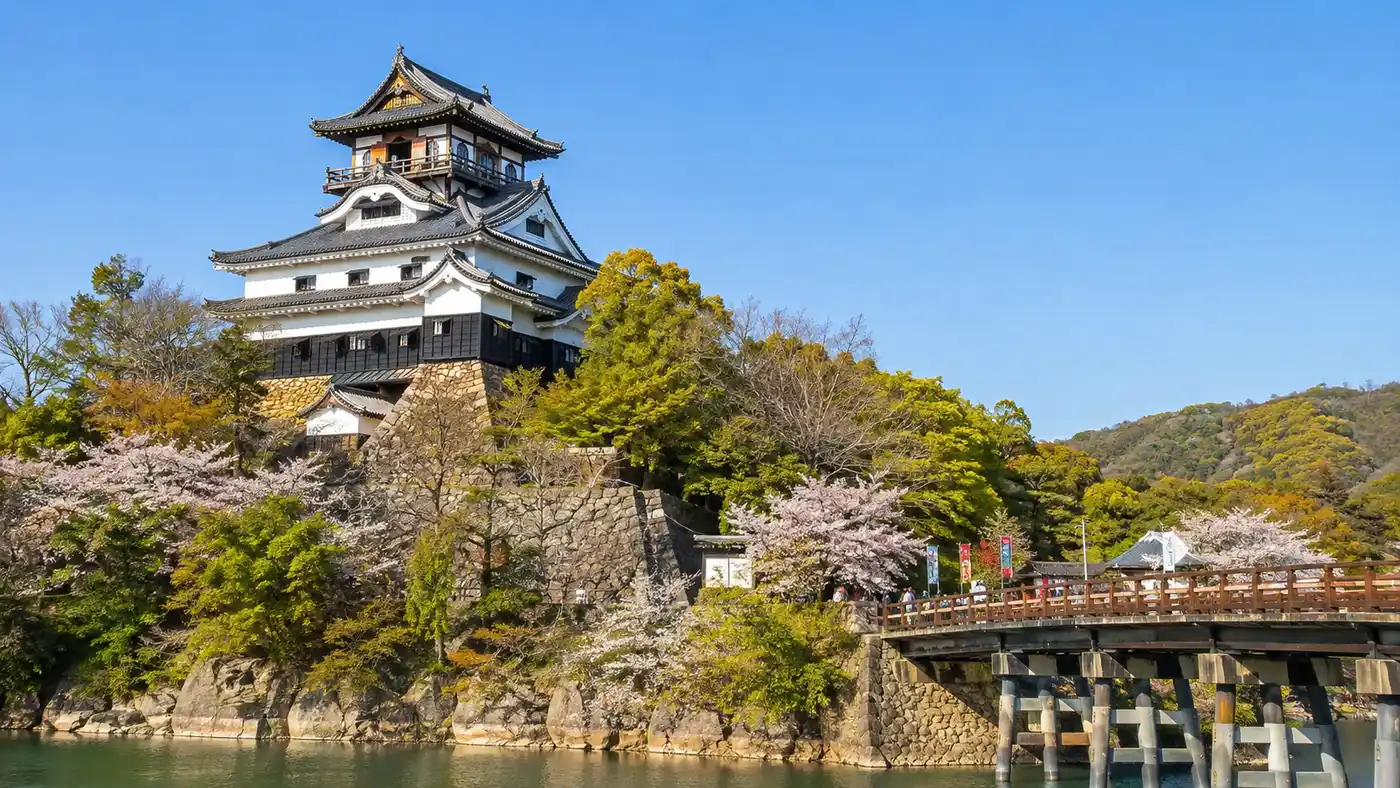
Inuyama Castle History, Facts & Interior Guide
Stepping through the gate of Inuyama Castle feels like walking into a different century. This place holds so much weight, so many stories etched into its ancient timbers. If you are curious about the true essence of Japan's feudal past, understanding the incredible inuyama castle history is absolutely essential.
Unlike many castles rebuilt from concrete, Inuyama stands as one of Japan's twelve original keeps, a designation that speaks volumes about its authenticity. We are going to dive deep into its fascinating origins, explore the significant events that shaped it, and then climb inside to truly appreciate the intricate inuyama castle interior, revealing some unexpected inuyama castle facts along the way. Get ready for a journey back in time.
Book your inuyama castle experience:
The Foundations of a Fortress - When Was Inuyama Castle Built?
So, when was Inuyama Castle built? The story begins in the turbulent Sengoku period. Oda Nobuyasu, an uncle of the famous Oda Nobunaga, started construction in 1537. He chose a strategic spot, a small hill overlooking the Kiso River, which offered natural defenses and control over vital trade routes. Imagine the work involved back then, raising a complex structure like this without modern tools. It was a massive undertaking, a symbol of power in a volatile era.
The original structure was probably a simpler affair than what we see today, a fortified residence that gradually evolved. It was more of a strongpoint than the elaborate castle we now admire. The main keep, or tenshu, took its current form a bit later, shaped by successive lords who added and modified it over decades.
This castle witnessed the rise and fall of various powerful families. The Ishikawa clan, then the Ogasawara clan, each left their mark, expanding and reinforcing the defenses. It really became the imposing structure we recognize during the era of Ishikawa Mitsuyoshi and later, the Naruse clan.
Pro tip: When you visit, try to picture the Kiso River as it was then - a bustling highway for goods and people, making the castle's position incredibly important for controlling regional commerce and defense.
A Turbulent Past - Key Moments in Inuyama Castle History
The castle's early years were a constant struggle for dominance. It changed hands many times during the Sengoku period, a true testament to its strategic importance. Oda Nobunaga himself used it as a base during his campaign to unify Owari Province, which gives you an idea of its significance. This wasn't some quiet outpost; it was a frontline fortress.
One of the most dramatic periods involved Toyotomi Hideyoshi and Tokugawa Ieyasu. In 1584, during the Komaki-Nagakute Campaign, Hideyoshi’s forces took the castle. This particular event is a big part of the castle's military legacy, showcasing its role in the power struggles that eventually led to the Tokugawa shogunate. Understanding these inuyama castle facts helps you appreciate the scratches and repairs you might spot on the older timbers.
After the Battle of Sekigahara in 1600, Tokugawa Ieyasu awarded the castle to the Ogasawara clan. Then, in 1617, the Naruse clan took over, and they remained lords of Inuyama right up until the Meiji Restoration in the late 19th century. That's a remarkable run, over 250 years, making them the longest-serving residents.
Here’s a snapshot of some key historical events:
- 1537: Construction begins under Oda Nobuyasu.
- 1584: Castle occupied by Toyotomi Hideyoshi during the Komaki-Nagakute Campaign.
- 1617: Naruse clan takes control, initiating a long period of stable rule.
- 1871: Castle confiscated by the Meiji government; partially dismantled.
- 1895: Returned to the Naruse family for restoration, becoming Japan's only privately-owned castle.
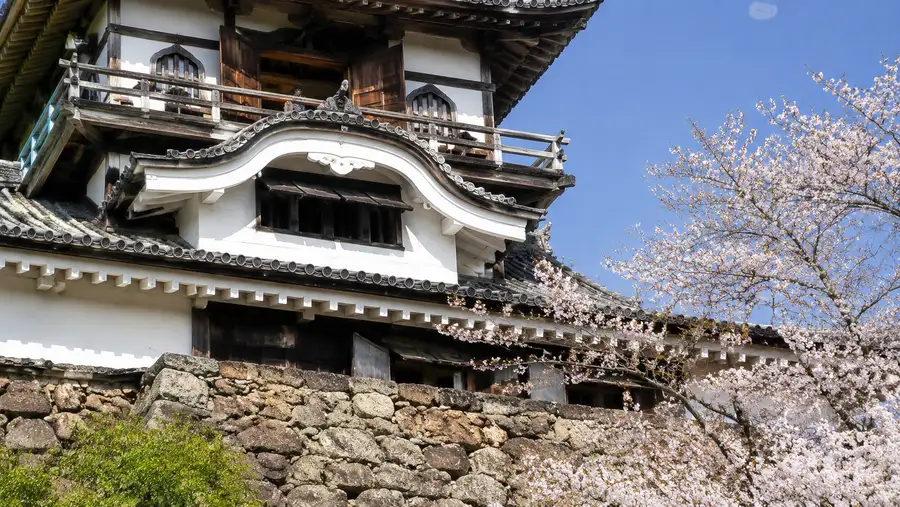
Surviving the Ages - Renovation and Restoration
It's honestly a miracle Inuyama Castle still stands. Many castles were destroyed by war, fire, or government decree. After the Meiji Restoration, a lot of castles were torn down as symbols of the old feudal system. Inuyama was no exception, with some of its outer structures demolished. The main keep itself suffered damage from an earthquake in 1891.
The Naruse family, who had owned the castle for centuries, petitioned the government to get it back. In 1895, they were granted ownership, but with a condition: they had to pay for its restoration. This was a massive undertaking, a true labor of love. The family invested heavily in the inuyama castle renovation, meticulously repairing the damage and preserving its original architecture. They understood the value of this place, not just as a family home, but as a piece of national heritage.
This dedication is why we can still experience its authenticity today. When you walk through the castle, you are seeing timbers and techniques that have been around for hundreds of years. It really makes you think about all the effort that went into keeping it standing.
Note: Inuyama Castle became a National Treasure in 1935. It was the first castle keep in Japan to receive this designation, highlighting its exceptional historical and architectural significance.
Book your inuyama castle experience:
Stepping Inside - Exploring the Inuyama Castle Interior
Climbing the stairs inside Inuyama Castle is a journey in itself. The wooden steps are steep and worn smooth by centuries of footsteps, a reminder of its age. You need to take your shoes off before entering, a standard practice in Japanese historical buildings, so wear socks you like!
The inuyama castle interior is surprisingly spacious, yet feels very functional. Each floor offers a glimpse into the castle's defensive capabilities and the daily lives of those who lived there. The first floor, called the ishigaki-no-ma (stone wall room), feels robust, with thick pillars and visible stone foundations. You can see the heavy beams and joinery, all constructed without nails.
As you ascend, you'll notice the various defensive features. There are plenty of openings for observation and defense. The second floor has mushakakushi, hidden rooms for samurai to ambush invaders, and ishiotoshimado, small openings where stones or boiling water could be dropped on attackers below. It's a stark reminder that this was a fortress, not just a residence. If you are looking for inuyama castle photos, the interior offers some great shots of these unique details.
The third floor, the hakaridō, or weighing room, probably served administrative functions. But the real treat is the top floor, the fourth floor, known as the kōran-no-ma (corridor room) or the fujimi yagura (Mount Fuji viewing tower). A narrow, outdoor balcony wraps around this level, offering absolutely breathtaking panoramic views of the Kiso River, the surrounding town, and on a clear day, distant mountains including maybe even Mount Fuji. It is a stunning reward for the climb. Honestly, the view alone makes the trip worth it. You can almost imagine the lords surveying their domain from here.
Thinking about how to get there and what to expect? I suggest you read our guide on getting to Inuyama Castle, it has some useful tips.
Here are some things to look for when you're inside:
- Steep Stairs: They are very old and require careful climbing; ropes are provided for assistance.
- Original Woodwork: Much of the interior structure uses original timbers, showcasing ancient Japanese carpentry.
- Defensive Features: Look for the mushakakushi and ishiotoshimado on the lower floors.
- Panoramic Views: The top floor balcony provides incredible vistas, perfect for some memorable inuyama castle photos.
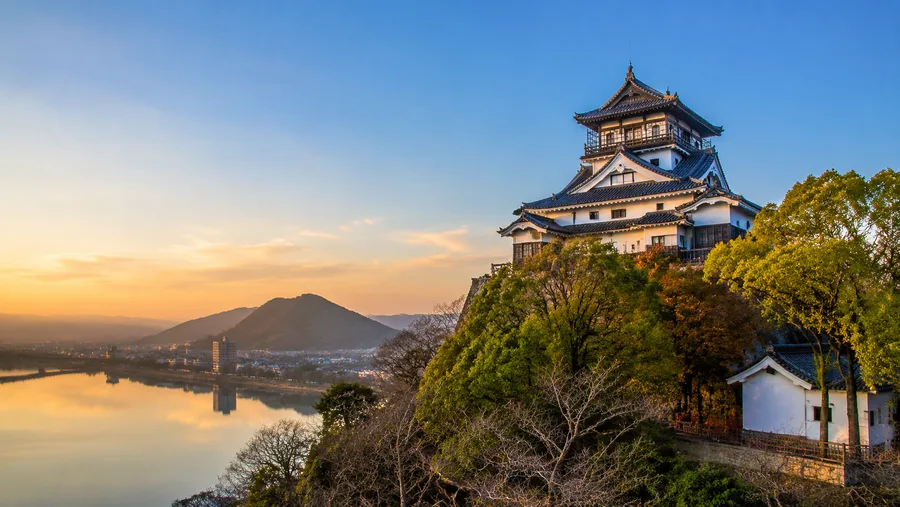
Unique Distinctions - Why Inuyama Castle Stands Out
Inuyama Castle is not just old; it holds a very special place in Japanese history. It is one of only five castles designated as a National Treasure of Japan, an honor reserved for the most significant cultural properties. This puts it in the same league as Himeji Castle, Matsumoto Castle, Hikone Castle, and Matsue Castle. What makes it even more unique is that it is believed to have the oldest existing castle keep in the country.
Many of Japan's famous castles were rebuilt after being destroyed by fire or war. Inuyama Castle, however, has an original keep that dates back to the 16th century. This means when you visit, you're not seeing a modern reconstruction, but the actual structure that stood during the Sengoku period. This authenticity is a huge part of its appeal and why so many people are drawn to its rich inuyama castle history.
For a long time, it was also the only castle in Japan that was privately owned. The Naruse family maintained ownership until 2004, when it was transferred to a foundation. This private stewardship probably contributed to its exceptional preservation over the centuries. It’s not just a government landmark; it was someone's family legacy, which is a pretty cool inuyama castle fact.
The castle's relatively small size compared to some of the grander fortresses also makes it feel more intimate and accessible. It’s less overwhelming, allowing visitors to really connect with its history. It really gives you a sense of what a working, living castle might have been like. Standing atop what is essentially a 487-year-old structure is quite a feeling. This isn't one of those 1-300 scale models you see in gift shops; it's the real deal.
Frequently Asked Questions about inuyama castle history
When was Inuyama Castle constructed?
Inuyama Castle's construction began in 1537 under Oda Nobuyasu, with the main keep taking its current form through additions by various lords over several decades.
Is Inuyama Castle an original Japanese castle?
Yes, Inuyama Castle is one of Japan's twelve original castles, meaning its main keep has remained largely intact since the feudal era, avoiding complete destruction and modern reconstruction.
Who owned Inuyama Castle for the longest period?
The Naruse clan owned Inuyama Castle for over 250 years, from 1617 until 2004 (though it was briefly confiscated by the government after the Meiji Restoration before being returned to them).
Quick Reference
- Built: 1537
- Original Status: One of Japan's 12 original keeps
- National Treasure: Yes, since 1935
- Longest Owners: Naruse clan (250+ years)
- Location: Overlooking Kiso River
Book your inuyama castle experience:
My Take
Visiting Inuyama Castle is more than just seeing an old building. It is a chance to connect with centuries of Japanese history in a tangible way. The creaking floors, the steep stairs, the incredible views - they all tell a story of resilience, power, and meticulous preservation. If you appreciate authenticity and want to understand the true spirit of Japan's samurai past, this castle should absolutely be on your list. It is a captivating piece of history, standing proudly against the modern world.
Read more about inuyama castle.